

Can an Eye Exam Detect More Than Vision Problems? What Richmond Patients Should Know
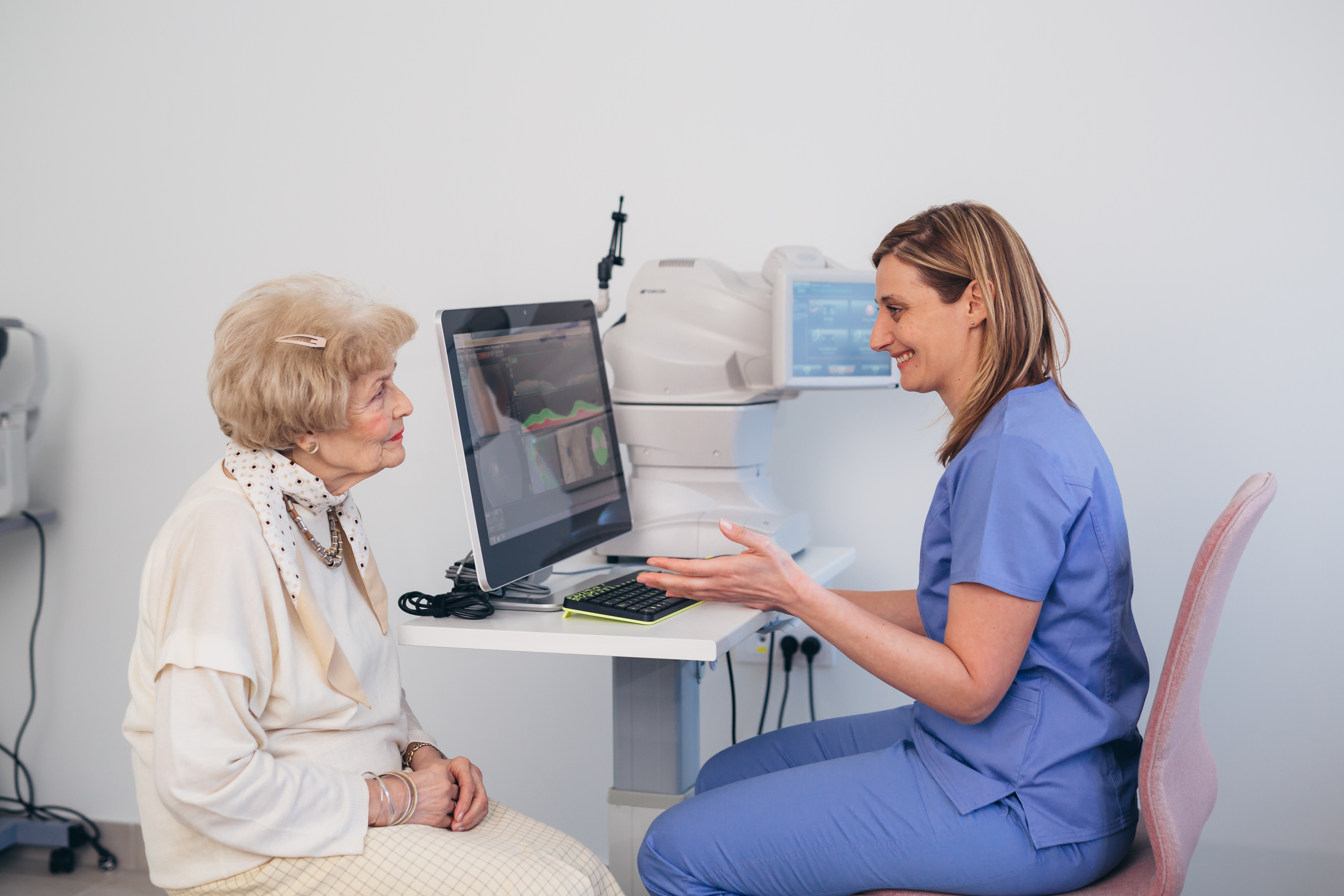
Many people schedule an eye exam because their vision feels blurry or their glasses no longer seem strong enough. While updating a prescription is important, a comprehensive eye exam can reveal much more than vision problems. For patients in Richmond, routine eye care is an important part of protecting eye health and identifying early signs of conditions that may not cause obvious symptoms right away.
At Dr. Gina Dyda-Schmid Optometrist and Associates, eye exams are designed to evaluate how clearly you see, how well your eyes function, and how healthy the internal and external structures of your eyes are.
Why Eye Exams Go Beyond 20/20 Vision
Seeing 20/20 does not always mean your eyes are healthy. Some eye diseases develop quietly, and vision may stay clear in the early stages. A comprehensive eye exam allows your optometrist to check for changes in the retina, optic nerve, lens, cornea, eye pressure, and tear film.
For Richmond patients, this is especially important because many eye conditions are easier to manage when they are found early. Waiting until symptoms appear may allow a condition to progress before it is diagnosed.
What Your Eye Doctor Checks During An Exam
A comprehensive eye exam includes more than reading letters on a chart. Your optometrist may review your medical history, medications, family history, symptoms, screen habits, and lifestyle. This information helps guide the exam and identify risk factors that may affect your vision or eye health.
During the exam, your eye doctor may evaluate:
- Visual clarity and prescription changes
- Eye pressure and glaucoma risk
- The retina and optic nerve
- Signs of diabetic eye disease
- Cataracts or lens changes
- Dry eye, tear quality, and surface irritation
- Eye coordination, focusing, and comfort
This full-picture approach helps your doctor understand both your vision needs and your overall eye health.
Eye Conditions That May Be Detected Early
Several eye diseases can begin before you notice vision changes. Glaucoma, for example, can affect the optic nerve and peripheral vision gradually. Diabetic retinopathy can cause changes in the blood vessels of the retina. Macular degeneration may affect central vision over time, and cataracts can slowly make vision cloudy or dim.
A Richmond eye exam can help identify these concerns and determine whether monitoring, treatment, or referral is needed. Even if no condition is found, your exam creates a baseline that can be compared during future visits.
What Eye Health Can Reveal About Overall Health
The eyes are the only place in the body where blood vessels can be viewed directly without surgery. Because of this, an eye exam may reveal signs that relate to broader health concerns, especially conditions that affect circulation or inflammation.
Your optometrist does not replace your primary care physician, but they may notice changes that should be discussed with your medical provider. This is one reason regular eye exams are valuable, even for patients who do not wear glasses or contacts.
When Richmond Patients Should Schedule An Eye Exam
Adults and children both benefit from routine eye care. Children need clear and comfortable vision for learning, reading, sports, and development. Adults may need monitoring for digital eye strain, dry eye, contact lens wear, glaucoma risk, diabetes-related eye changes, or age-related conditions.
You should schedule an eye exam sooner if you notice blurry vision, eye pain, flashes, floaters, redness, headaches, light sensitivity, or sudden changes in vision. These symptoms should not be ignored.
A More Complete View Of Your Vision
A comprehensive eye exam gives you more than a prescription. It helps your optometrist evaluate the health of your eyes, detect early changes, and recommend care based on your needs. For patients in Richmond, regular exams are a smart way to stay proactive about both vision and long-term eye health.
Schedule your comprehensive eye exam with Dr. Gina Dyda-Schmid Optometrist and Associates at 11736 W Broad St #106B, Richmond, VA 23233. Call or text (804) 360-1590 to book your appointment.

All Eye
Care Services

Keep
In Touch


Let’s keep in touch!
Contact Us

Office Hours
- Monday 10:00am - 5:00pm
- Tuesday 10:00am - 6:00pm
- Wednesday 10:00am - 5:00pm
- Thursday 10:00am - 6:00pm
- Friday 10:00am - 5:00pm
- Saturday 10:00am - 4:00pm
- Sunday Closed
© 2026 Dr. Gina Dyda-Schmid Optometrist and Associates | All rights Reserved | Accessibility Statement | Privacy Policy | Sitemap
Powered by:
